
Keeping Perspective During Rising Oil Prices
Continued conflict involving Iran has disrupted shipping through the Strait of Hormuz, a key route for global energy supplies. As a result, oil prices have quickly risen from around $70 per barrel to roughly $100. This has led to increased market volatility and headlines warning about possible economic impacts.
First and foremost, the safety of civilians and our troops is the most important concern. Geopolitical conflicts are challenging in ways that go well beyond finances. They affect real people and communities, and the headlines can understandably bring feelings of concern or fear.
From a financial perspective, however, it helps to remember that markets have faced similar situations many times before.
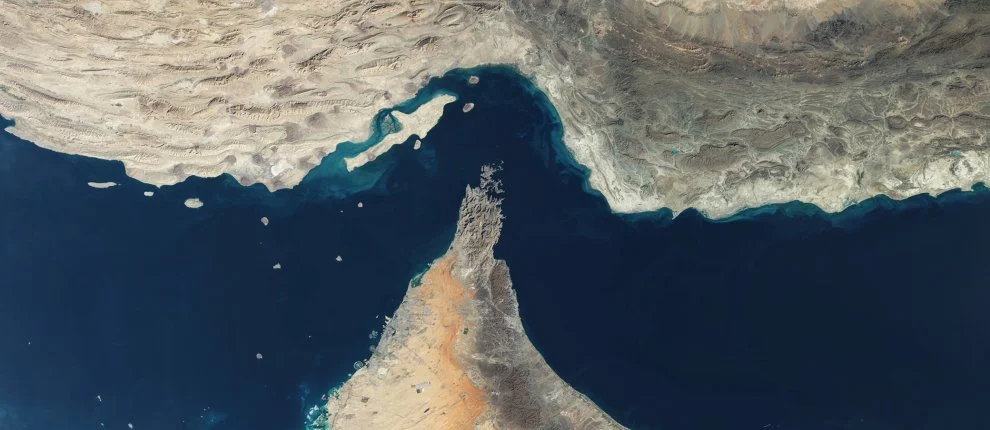
History shows that these geopolitical conflicts often cause oil prices to spike temporarily.
Markets still react in the short term, but over time supply adjusts, conditions stabilize, and prices eventually settle. While each situation is unique, this general pattern has repeated many times over the past several decades.
Why oil prices are rising
The Strait of Hormuz is a narrow waterway connecting the Persian Gulf to the rest of the world. About 20% of global oil shipments pass through it each year.
Safety concerns in the region have slowed tanker traffic, leaving ships waiting and making it harder for oil producers in the Middle East to transport their supply. When oil cannot move efficiently through global shipping routes, production slows and prices tend to rise.
While oil moving above $100 per barrel can raise concerns about inflation and economic growth, it is important to keep these price moves in perspective. Oil has experienced similar spikes before.
In 2022, prices surged above $120 per barrel following Russia’s invasion of Ukraine before eventually coming back down.
How higher energy prices affect the economy
Higher oil prices most noticeably affect consumers through gasoline prices. Across the U.S., gas prices have moved closer to about $3.50 per gallon and could rise further if oil prices remain elevated.
Energy costs also influence many other parts of the economy. When fuel becomes more expensive, it increases the cost of transporting goods, manufacturing products, and running businesses.
Some of those costs can eventually show up in consumer prices.
The good news is that the U.S. is in a stronger position than during past energy crises. The country is now one of the world’s largest producers of oil and natural gas, which helps reduce the impact of global supply disruptions compared to earlier decades.
What this means for markets
Markets often react quickly to geopolitical events and sudden changes in energy prices. That can lead to short-term volatility, but it is also a normal part of how markets function.
At the same time, some areas of the market may benefit when energy prices rise. Energy companies and commodities have been among the stronger performers this year, which highlights the value of diversification within portfolios.
Events like this can also create uncertainty around interest rates and inflation. However, if supply disruptions prove temporary, their long-term economic impact is often limited.
Rising oil prices and global conflicts can create uncertainty, but they are not new challenges for markets or investors. Historically we’ve seen economies and markets have adapted as supply and demand adjust.
Process over predictions.
Shean